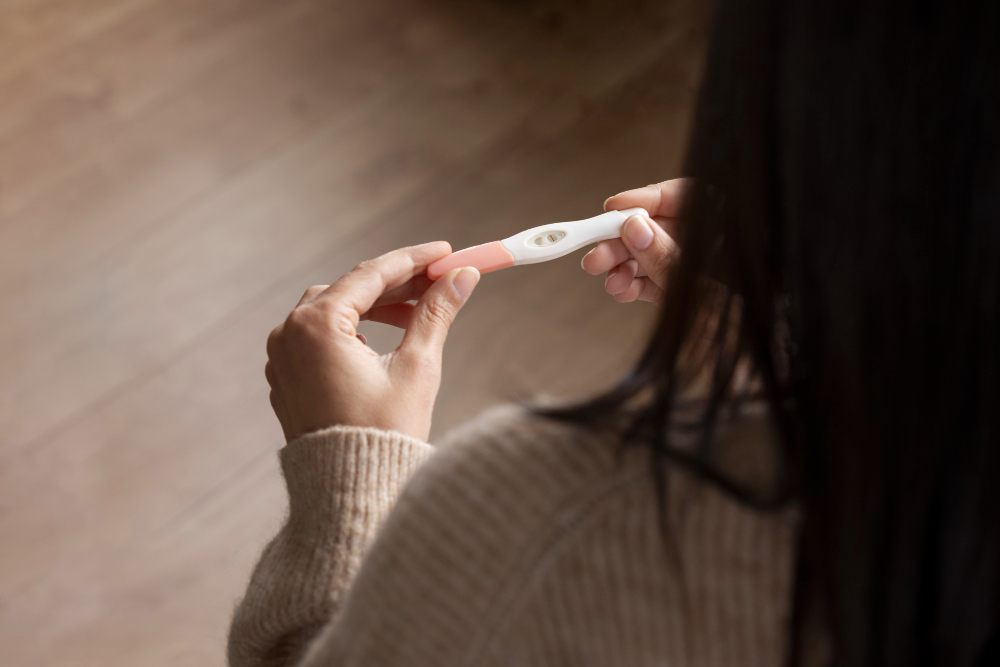
Couples face infertility challenges when they are unable to conceive after a year of regular, unprotected intercourse. Infertility might stem from the male partner, the female partner, or both. Approximately one-third of infertility cases are linked to female factors. In these cases, various treatments and lifestyle adjustments can help couples achieve pregnancy. Single women experiencing difficulty conceiving can also seek a thorough medical assessment.
Request an AppointmentRisk Factors for Female Infertility
Women may have a higher chance of infertility if they:
- Experience irregular or absent menstruation
- Are over 40 years old
- Have undergone cancer therapies
- Have had multiple miscarriages
- Engage in excessive exercise or suffer from eating disorders
- Are significantly overweight or obese
- Use tobacco or consume alcohol excessively
Some women may proactively seek evaluation due to known anatomical abnormalities or medical conditions that affect fertility.
Causes of Female Infertility
Female infertility can arise from various causes. While some remain unexplained, common reasons include:
- Ovulation irregularities, endometriosis, or pelvic adhesions
- Side effects of certain medications
- Uterine fibroids
- Fallopian tube damage or blockage
- Premature menopause (before age 40)
- Thyroid conditions, celiac disease, or diabetes
- Cancer or its treatments
- Congenital or structural reproductive tract disorders
Fallopian tube obstruction often results from pelvic inflammatory disease, frequently caused by sexually transmitted infections.

Diagnosis of Female Infertility
To uncover the cause of female infertility, a variety of tests may be performed. These typically include blood work, urinalysis, and imaging studies to assess:
- Levels of reproductive hormones
- Ovulation status
- Reproductive organ anatomy
Common diagnostic tools include ultrasound, MRI scans, and hysterosalpingography — a specialized X-ray using contrast dye to visualize the uterus and fallopian tubes under ultrasound guidance.
Request an AppointmentTreatment of Female Infertility
Treatments aim to enhance fertility and support conception. Depending on diagnosis, options might include:
- Healthy lifestyle adjustments such as quitting smoking and reducing alcohol intake
- Medications to stimulate ovulation
- Surgery to repair or unblock fallopian tubes
- Procedures addressing uterine abnormalities
- Hormonal therapies as prescribed
Intrauterine insemination (IUI) can also be considered, where healthy sperm are placed directly into the uterus during ovulation.
If these approaches do not succeed, assisted reproductive technologies (ART) like in vitro fertilization (IVF), donor egg use, or surrogacy may be options. Because ART involves complex medical, emotional, and legal factors, counseling is recommended before proceeding.